

Create Without Harm: How to Build a More Sustainable Brand

Humana Network
Editorial
TL;DR
Make your business more sustainable by choosing lower-impact hosting, simplifying website architecture, designing lighter and more durable products, measuring your digital footprint, and collaborating with environmental initiatives.
Today, pressures from climate change, species extinction, health concerns, environmental challenges, and the global economy lead us to ask how we can build businesses without harming the planet, adapt to artificial intelligence, and navigate the economy. Developing strategies to renew or create sustainable products can feel increasingly complex. But you aren't alone on this path.
With all this pressure, we often feel overwhelmed and unsure where to begin. The good news is that there are practical ways to reduce the harm our businesses cause while acting creatively and consistently with our values.
Although many businesses have moved online through digital sales and websites, we aren't always aware that the internet also has a carbon footprint.
We tend to assume that going digital reduces environmental impact, for example by eliminating printed brochures or closing physical stores. But digital infrastructure also consumes resources.
Every time we upload an image, send an email, store data, or host a website, we use energy and, in many cases, resources such as water to keep the servers operating.
Here are six strategic considerations to help make your digital or physical business more sustainable, conscious, and aligned with the needs of the planet and your customers, while exploring opportunities for innovation.
1. Build your website more consciously
Choose green hosting and communicate your environmental commitment
Most products today have an online presence through stores, blogs, portfolios, booking pages, or social media. This digital transformation brings benefits and challenges.
Data centers powering the internet can consume significant electricity and water for cooling. Their operation may generate carbon emissions and environmental impacts.
One way to reduce this impact is to consider green hosting services that use or support renewable energy. Providers using cleaner energy sources, such as solar or wind, can help reduce your website's carbon footprint.
You can also add a section explaining your estimated website emissions and steps you're taking to reduce them. Transparency can strengthen connections with customers and demonstrate your commitment to the planet.
Green hosting options mentioned in the original article:
2. Optimize your website architecture
Fewer unnecessary clicks, less energy, and a better experience
A good user experience can support sales and help reduce your digital footprint. Fewer unnecessary page loads can mean fewer resources and less energy consumed.
Organizing your website architecture—its content structure and navigation—clearly and strategically helps visitors find what they need faster without navigating unnecessary pages or tabs.
Analyze how users navigate your website, identify essential sections, and simplify. A clearer, lighter website can improve customer experience while reducing environmental impact.
3. Align your product with sustainability
Lighter materials, packaging, and digital infrastructure
Your product should reflect your business's values, from ingredients and materials to packaging.
If you sell physical products, consider reusable, compostable, or recycled packaging. If your product is digital, reduce image sizes and unnecessary resource use. The key is creating simpler, more durable, conscious products.
For digital products such as ebooks, courses, and consulting, use fewer heavy images and avoid unnecessary autoplay videos or plugins. This can lighten your pages and reduce energy consumption.
Use the Sustainable Development Goals (SDGs) as a guide. Alignment with these goals can strengthen your impact and connection with your community.
4. Measure your digital footprint
Use tools such as Ecograder and Website Carbon to improve
Measurement is a powerful tool for improvement. Platforms can estimate website energy use and sustainability, helping foster environmental awareness and education.
Useful options include:
These assessments can help identify resource-intensive sections, images to optimize, and hosting considerations. Such diagnostics support more informed decisions and practical improvements.
Sharing results with your audience can strengthen trust and encourage others to participate in the movement.
5. Build green partnerships
Donations, carbon credits, and collaborative projects
Change happens through community. Partner with organizations working on reforestation, environmental education, or sustainable development. You might include a small donation for each product sold.
Look for organizations restoring forests, cleaning oceans, promoting environmental education, or supporting vulnerable communities. Some brands dedicate a percentage of each sale to these causes or allow customers to choose which project to support.
Another option is exploring carbon credits to compensate for emissions associated with your products or website. Consider this as part of a responsible approach to environmental impact.
Collaboration can expand your brand's reach, create support networks, and multiply positive impact.
6. A summary from the green heart of Green Women
Sustainability is a journey of observation, improvement, and action
Moving from physical stores to online commerce doesn't automatically help the planet. Without conscious decisions, digital operations can create a significant footprint and affect vital resources such as water. Being a sustainable brand means continually questioning, observing, learning, and improving.
The world needs courageous, innovative, sustainable brands. Brands like yours.
Sustainable entrepreneurship is not only about the planet but also your community, customers, and business. People seek authentic, responsible, conscious brands.
How can you tell whether your brand is truly sustainable?
If this article sparked your curiosity and you'd like to take your business further, contact us through our website or social channels. We can arrange a consultation to help you develop the tools for building a conscious business.
Thank you for being part of the change the world needs to reconnect with nature.
Instagram: Green Women
Facebook: Green Women
WhatsApp: Contact Green Women
Get our best stories
A weekly email with curated editorial content for professional women in tech and business.
Related articles
 Marketing y Ventas
Does Your Personal Brand Attract Clients and Business Opportunities?
Your personal brand should do more than attract followers. Audit your LinkedIn profile, connect content to your offer, and measure real business opportunities.
 Bienestar y Vida Emprendedora
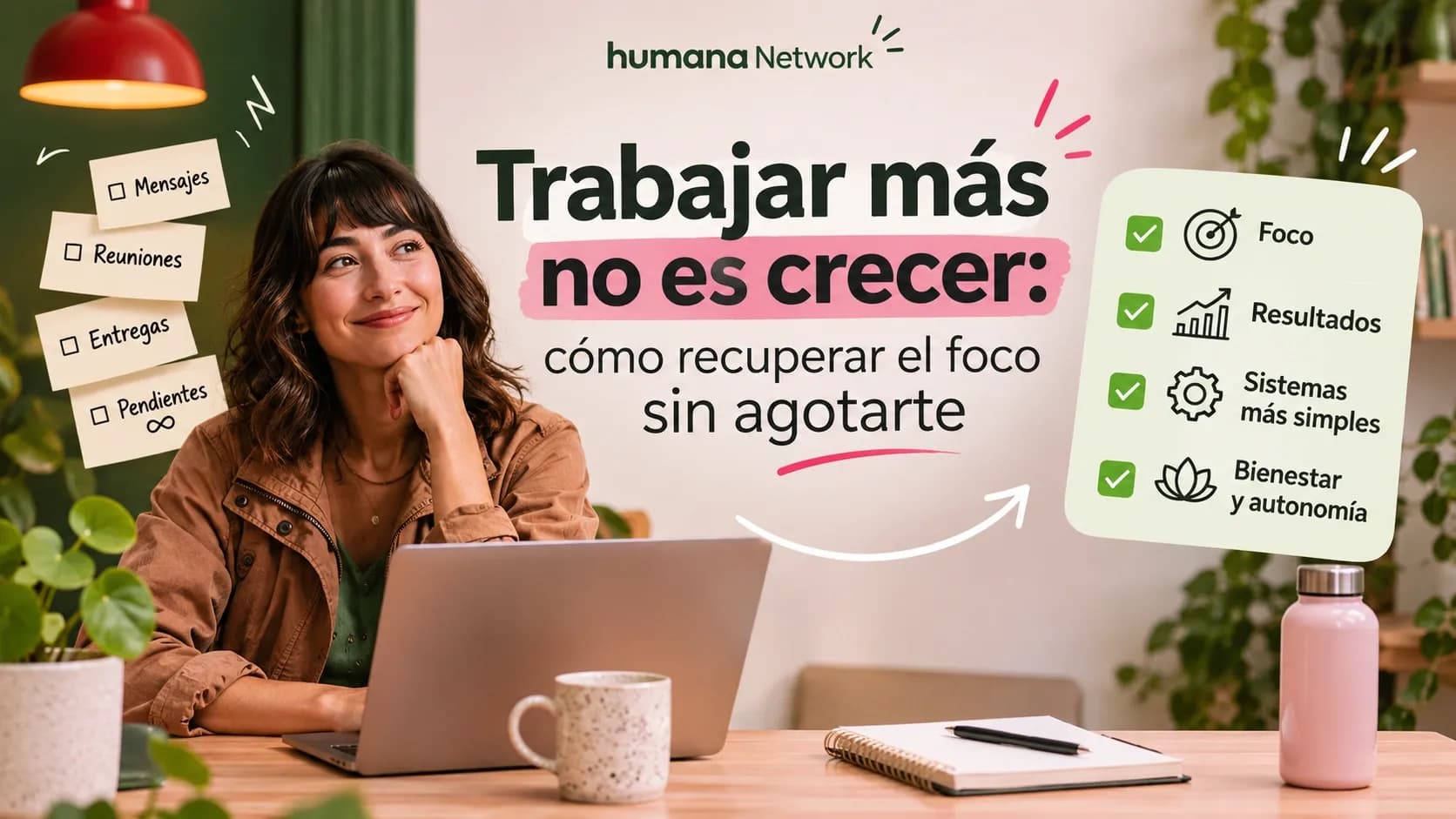
Working More Is Not Growth: How to Regain Focus Without Burning Out
Being busy isn't the same as growing. Learn how to regain focus, reduce repetitive tasks, and build a business without working longer hours.

 Negocios y Estrategia
Does Your Business Depend Too Much on You? How to Start Building Freedom
Does your business stop when you disconnect? Learn how to measure founder dependency, create processes, and gain freedom with a four-week plan.