
A Journey Toward Sustainability: Natural Building and Renewable Energy at Home
humana Network
Editorial
TL;DR
The founders of AlmaEco share their experience of transforming a shipping container into an ecological home using natural materials, water reuse systems, solar power, and wind energy. Their project inspired a business focused on sustainable solutions.
Discover how natural building, recycling, and renewable energy can help create an ecological, self-sufficient home.
One dream, one home
We thought it was a crazy idea, but today we're living our dream. Our ecological home isn't just a shelter; it reflects our environmental awareness and the effort we invested in making it happen. What began as an abstract idea gradually became reality until we found ourselves living in what we had once only imagined: a self-sufficient, environmentally conscious home.
The first step was asking how we could build a house that provided a place to live while minimizing our environmental impact. In a world where many homes depend on nonrenewable resources and generate considerable waste, we wanted to show that a different way of living was possible. That's how our project began.
Choosing a shipping container: giving materials a second life
Our adventure began with the idea of repurposing a shipping container. Why a container? We saw an opportunity to give these large steel structures a second life after their original use transporting goods.
Turning a container into a habitable home was a challenge. We needed to insulate the interior for energy efficiency, using natural building techniques and materials. Earth was one of our greatest allies, as we incorporated it into our thermal and acoustic insulation system. It is a material that can be locally available and have a low environmental impact.
Natural building: combining tradition and modernity
One of the most interesting aspects of our home is how we've incorporated natural building techniques. Natural building emphasizes using natural and local materials while minimizing reliance on industrial products. We used not only earth but also straw, wood, and stone, selecting each material with durability and ecological impact in mind.
For example, earth-based building materials can help regulate indoor conditions, while straw can provide insulation when incorporated into appropriately designed walls.
By combining these materials with modern technologies, such as solar panels and water recycling systems, we created a home that is welcoming, beautiful, functional, and designed around sustainability.
The water cycle: recycling and reuse
One of our home's major achievements is its water recycling system. We wanted to avoid wasting this valuable resource, so we designed systems intended to handle both graywater and blackwater.
In our project, graywater from the shower and sink passes through a biological filter using plants and microorganisms. We describe using the treated water for our garden, reducing demand for drinking water.
Our blackwater treatment system uses worms to help break down waste, with the resulting material intended for ornamental plants. Our aim was to close the water and nutrient cycle and return resources to the earth.
These are descriptions of our own project, not instructions for constructing a sanitation system. Wastewater treatment and reuse require appropriate professional design, health safeguards, and compliance with local regulations.
Renewable energy: sun and wind as allies
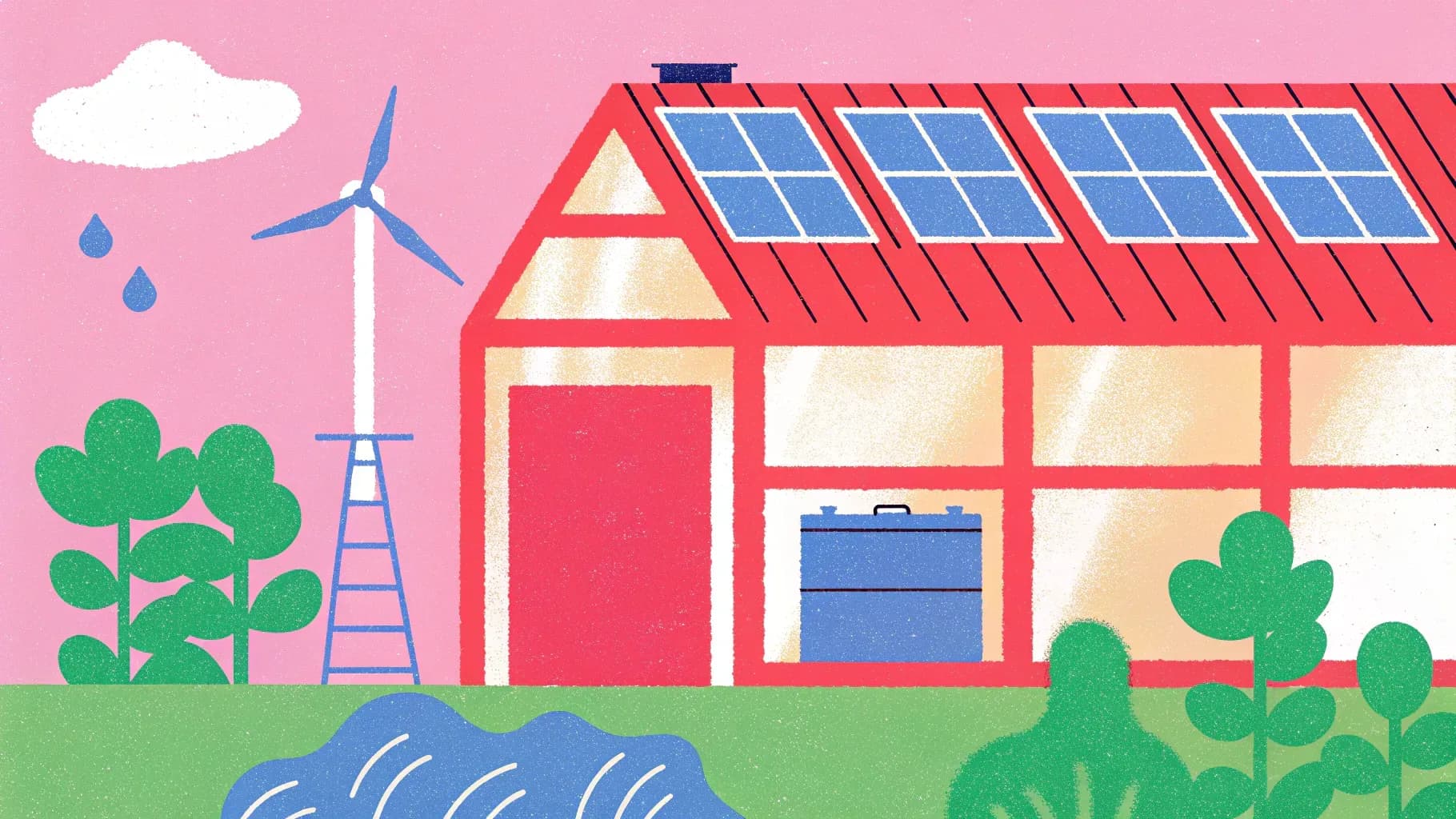
Another essential part of our home is renewable energy. We wanted to be self-sufficient in energy, so we installed photovoltaic solar panels and a small wind turbine. Together, these systems supply the energy we need in our daily lives.
Living with renewable energy also requires a mindset shift. Unlike homes where electricity can be consumed without thinking about its source, we're very conscious of when and how we use it. For example, we charge our phones and computers during the day when the sun is shining and our panels are producing electricity. This helps us use available energy efficiently and manage our batteries.
Depending on wind and sun has taught us to live more closely with nature. On cloudy, windless days we learn to conserve energy. When the wind is strong and the sun shines brightly, we make the most of the available power.
AlmaEco: from a sustainable home to a purpose-driven business
As our home construction progressed, we realized how much knowledge we were accumulating about renewable energy, natural building, and recycling. That's when the idea for AlmaEco was born: our company dedicated to helping others build a more sustainable future.
At AlmaEco, we offer energy and agricultural solutions intended to help customers reduce environmental impact and save money. From solar panel installations to water recycling systems, our goal is to show that sustainability can be both achievable and economically valuable.
We've worked with a variety of customers, from families hoping to reduce their electricity bills to businesses seeking to minimize their carbon footprint. Every project is an opportunity to keep learning and improving. We're proud to contribute to global change, one customer at a time.
Everyday life in an ecological home
Living in an ecological home isn't just about technology and materials; it's also a lifestyle change. We've become more conscious of our daily habits, from water use to waste management. We compost our organic waste for use in the garden and minimize disposable products by choosing reusable alternatives wherever possible.
One of the greatest benefits is the connection we feel with nature. Every morning, when we go into the garden and see our plants growing, we're grateful we chose this path.
Sustainable living has made us more aware of natural cycles. We better understand how different parts of an ecosystem interact, and we've learned to work with nature rather than against it.
Explore more about AlmaEco.
Get our best stories
A weekly email with curated editorial content for professional women in tech and business.
Related articles
 Marketing y Ventas
Does Your Personal Brand Attract Clients and Business Opportunities?
Your personal brand should do more than attract followers. Audit your LinkedIn profile, connect content to your offer, and measure real business opportunities.
 Bienestar y Vida Emprendedora
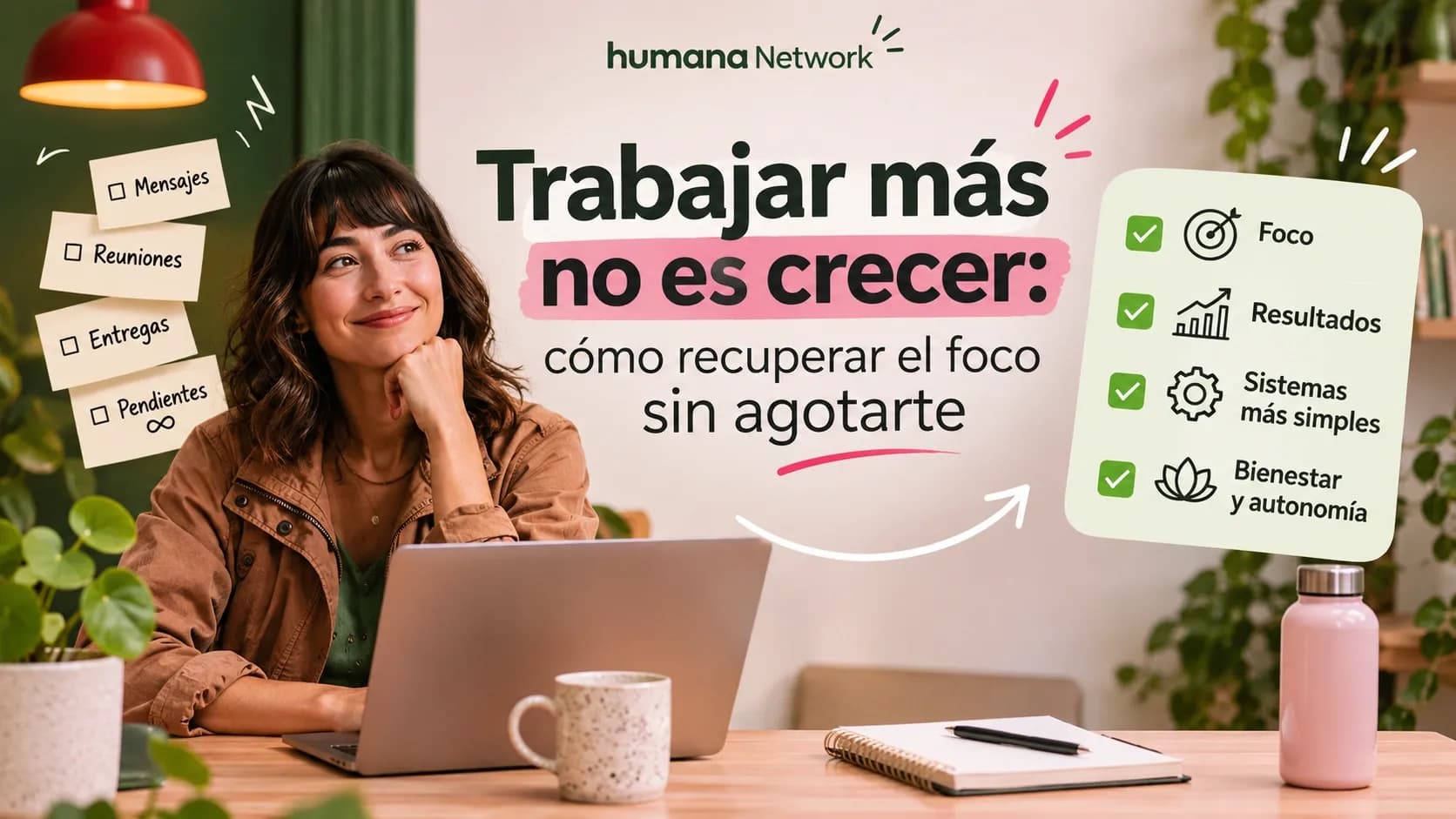
Working More Is Not Growth: How to Regain Focus Without Burning Out
Being busy isn't the same as growing. Learn how to regain focus, reduce repetitive tasks, and build a business without working longer hours.

 Negocios y Estrategia
Does Your Business Depend Too Much on You? How to Start Building Freedom
Does your business stop when you disconnect? Learn how to measure founder dependency, create processes, and gain freedom with a four-week plan.