

Before Launching Your Product: 5 Questions to Find Out If Anyone Will Pay for It

Florencia Heine
Founder humana Network, Aurora Pilot App & OH Digital Agency
TL;DR
Validate your business idea by researching who has the problem, how they solve it, what value your offer provides, and what concrete action they will take. Opinions are not a substitute for sales or commercial commitments.
Imagine you have an idea you're excited about. You tell your friends, post it on Instagram, and start receiving messages: "I love it!" "What a great idea!" "I'd totally use that!"
You invest weeks creating the product, designing the brand, preparing your website, and finally launching.
But the sales never come.
What happened? People can like an idea without being willing to pay for it.
That's why you need to validate your business idea before launching a product: determine whether a real problem exists, who needs to solve it, and what concrete signals show that people are willing to buy your solution.
You don't need a huge investment or endless research. Start with five questions.
What does it mean to validate a business idea?
Validating a business idea means testing your project's most important assumptions before investing too many resources.
It isn't about proving that your idea is perfect. It's about reducing uncertainty.
According to Strategyzer, there is a fundamental difference between what potential customers say and what they actually do.
One person may say she's interested in your product. Another may visit your website, request a demo, or book an initial session. A third may make a purchase.
All three demonstrate different levels of interest, but they don't provide the same evidence.
The goal isn't to get everyone to approve your idea. It's to find the right people, understand their needs, and determine whether your offer creates enough value for them to act.
1. Who has this problem and can afford to solve it?
One of the most common entrepreneurial mistakes is defining your ideal customer too broadly.
"My product is for all women entrepreneurs."
It sounds like an enormous market. But not all women entrepreneurs have the same needs, budget, or priorities.
Imagine you're launching a scheduling tool for independent professionals.
You might target:
- A psychologist who sees patients in her own practice.
- A yoga instructor who organizes group classes.
- A beauty salon owner who works with several professionals.
All three manage appointments, but their problems and purchasing decisions can be very different.
Your first task is to identify whom you want to help and who has the ability to purchase your solution.
Research questions:
- Who experiences the problem most frequently?
- At what point in their life or business does it arise?
- Who makes the purchasing decision and who pays?
What evidence to look for
Identify a specific group of people who share a need, can afford to pay, and are accessible for conversations.
Don't obsess over characteristics like age or city if they aren't relevant to the purchasing decision.
Habits, motivations, problems, and buying behaviors often provide more useful information.
This is the foundation for building your buyer persona or ideal customer profile.
2. What specific problem has this person experienced recently?
Here's a decisive question: does your product solve something people actually need, or something you assume they need?
The difference matters.
Alex Osterwalder of Strategyzer warns in his guide to customer interviews that asking for hypothetical opinions tends to produce weaker evidence than investigating concrete experiences.
Instead of asking:
"Would you like an app that organizes your appointments?"
Try:
"Tell me about the last time you had trouble organizing your bookings. What happened?"
Then dig deeper:
- How often does this happen?
- How much time does it take to resolve?
- What consequences does it have for you or your business?
- What did you do the last time it happened?
Listen without trying to convince the other person that she needs your product.
What evidence to look for
Look for problems that recur, create tangible consequences, and are important enough that someone wants to solve them.
For example, a professional who says "I'd like to be more organized" expresses a desire.
Someone who describes losing a booking, reorganizing her schedule, and spending part of the afternoon resolving it is describing a specific situation.
That allows you to investigate the severity of the problem without assuming she will necessarily buy your solution.
3. How is she solving that problem today?
Your main competitor isn't always another company.
It might be an Excel spreadsheet, a WhatsApp group, an assistant, a paper planner, or simply continuing to do things the same way.
Before designing your product, investigate which alternatives your potential customer already uses.
Ask:
"How did you solve this problem last time, and what resources did you use?"
Then, if appropriate:
"Did you pay for a solution? How much time or money did it cost you?"
This helps you discover three important things.
First, what solutions she knows and uses. Second, what frustrates her about those alternatives. Third, how much effort or money she's currently spending on the problem.
What evidence to look for
Someone already paying for a similar solution can be a useful indication that demand exists.
But there may also be opportunities where people still solve the problem manually.
The key is understanding why they continue to do it that way.
Perhaps no available solution suits them. Perhaps they're unaware of the alternatives. Or perhaps the problem isn't important enough to justify a purchase.
Don't confuse the existence of a problem with the existence of a market willing to pay.
4. Why would she choose my product, and how much would she be willing to pay?
You've reached one of the most important questions.
You've found a real problem, identified your potential customer, and learned which alternatives she uses.
Now you need to test whether your offer provides enough of an advantage to make her want to switch.
Your product might save time, simplify a task, improve results, or provide a different experience.
But that benefit needs to be relevant to the buyer, not just appealing to you.
How to research pricing
Instead of only asking, "How much would you pay?" present a specific offer once you understand the problem.
For example:
"I'm considering offering a service that organizes your appointments and automates reminders for $25 per month. Would you be interested in purchasing it on those terms?"
This price is only a hypothetical example.
Pay attention to objections:
- What would she need to verify before buying?
- Which alternative does she consider more convenient?
- Which part of the offer doesn't justify the price?
- Who would need to approve the expense?
The answers help you improve your offer, but they still don't prove the sale will happen.
What if the price customers accept isn't profitable?
You also need to understand your costs.
If selling and delivering your product costs more than you charge, having buyers isn't enough to build a sustainable business.
Y Combinator's guide to business models highlights the importance of aligning pricing with perceived value and the costs of providing the solution.
The commercial question isn't just how much someone would pay, but whether you can deliver that value profitably.
5. What concrete action is she willing to take now?
This final question separates opinions from early signs of actual demand.
Someone may be enthusiastic during a conversation and then do nothing.
That's why you need to offer a clear opportunity to move forward.
You don't have to develop the entire product. Test a small version of your offer.
For example:
- Service: Offer a paid initial session or pilot project.
- Digital product: Present a page with the content, price, and an advance purchase option.
- Physical product: Offer a sample, small order, or transparent preorder.
- Software: Show a demo and propose a paid pilot or commercial commitment.
Clearly communicate what's available, what will be delivered, and when. If you accept advance payments, define delivery, cancellation, and refund terms.
What evidence to look for
A website visit shows curiosity. A signup indicates interest in receiving information. A booking or commercial inquiry represents another step forward.
A real payment under clear conditions provides stronger evidence of willingness to buy.
Strategyzer proposes evaluating the strength of evidence based on customers' actions and commitments, not just the number of opinions collected.
Commercial validation becomes stronger when someone takes concrete action to obtain your solution.
How to apply these five questions before launching
Validation doesn't need to become an enormous project.
Start with a small experiment.
Step 1. Choose a customer segment
Define who has the problem and who might buy your solution.
For example: independent professionals who manage their own bookings and receive inquiries through WhatsApp.
Step 2. Talk to potential buyers
Find people who genuinely fit the segment. Don't limit yourself to friends or people who always support your ideas.
Start with a few conversations and expand your research if answers vary significantly.
There is no universal number of interviews that guarantees validation.
Step 3. Record what you discover
Separate what people actually did from what they said they would do.
Note recurring problems, current solutions, expenses, objections, and repeated expressions.
Step 4. Present a concrete offer
Explain the problem you solve, the benefit, the price, and what the buyer receives.
Offer a real commercial next step.
Step 5. Make an evidence-based decision
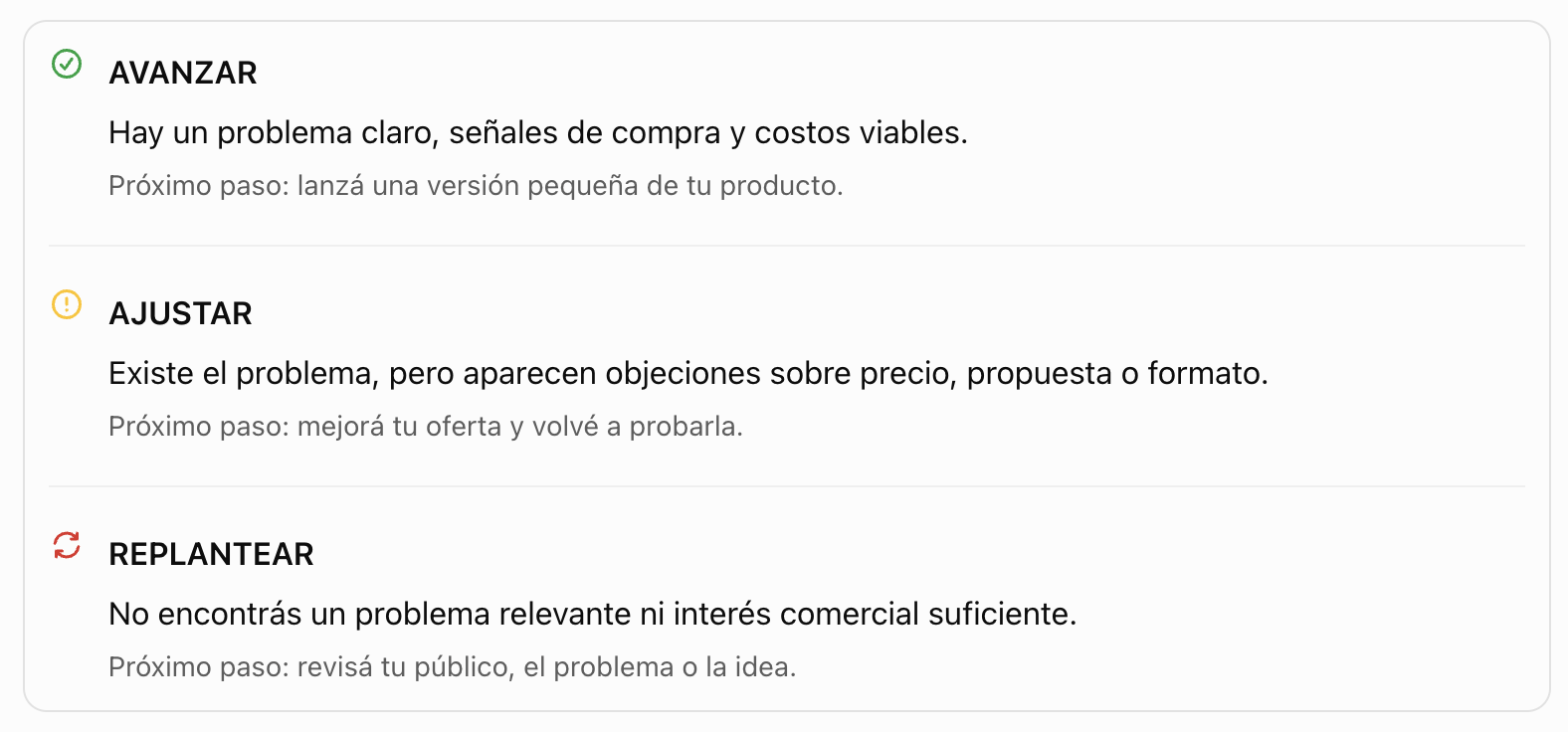
These signals are a decision-making guide, not a formula that guarantees results.
Remember: a first sale is a valuable signal, but you still need to determine whether you can repeat it.
Your buyer persona: turn conversations into decisions
After talking to potential customers, you'll have valuable information.
The next challenge is organizing it so it informs your product, messaging, and commercial decisions.
That's where the buyer persona comes in.
It's a representation of your ideal customer based on research, behaviors, needs, and motivations.
According to the Nielsen Norman Group, personas should be grounded in real user information to guide design and development decisions.
It isn't about inventing a name for an imaginary person and filling in her preferences.
It's about identifying real patterns to answer questions like:
"What does she need to solve?" "Which alternatives does she use?" "What concerns her before buying?" and "Where does she look for solutions?"
At humana Network, we created an editable Canva Buyer Persona Template to help you organize this information and develop messaging and offers better aligned with your audience.
Download your free Buyer Persona Template →
The resource is free and requires creating an account or signing in to humana to access the download.
Conclusion: you don't need certainty, you need evidence
Entrepreneurship always involves risk.
But there's a huge difference between investing in an idea based solely on enthusiasm and investing after getting to know your potential buyers.
Before spending months developing your product, discover who needs your solution, what problem they have, how they solve it today, what value they see in your offer, and what they're willing to do to obtain it.
If the answers aren't what you expected, you've still gained information.
Perhaps you need to change the price, simplify the offer, choose another segment, or solve a different problem.
Your job isn't to convince the market that your idea is good. It's to discover what the market needs and design a solution worth buying.
To explore this process further, read our guide to product-market fit, where we examine how to align your value proposition with customer needs.
Get our best stories
A weekly email with curated editorial content for professional women in tech and business.
Frequently asked questions
Yes. Interview potential customers, show prototypes, present an offer, and test a preorder or pilot. Be transparent about the terms: don't present something as available if you haven't developed it yet.
Related articles
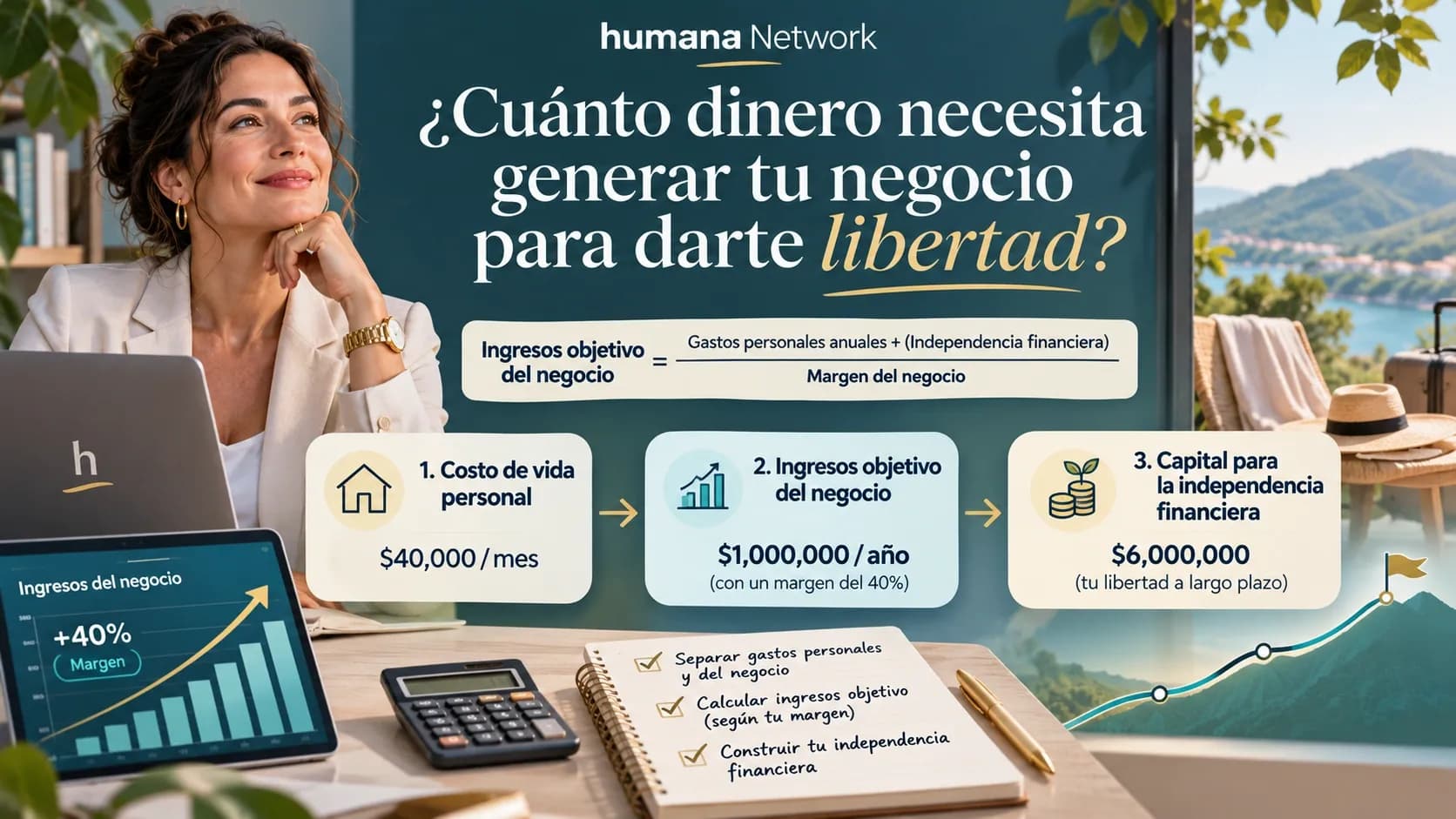 Finanzas y Dinero
How Much Revenue Does Your Business Need to Give You Financial Freedom?
Calculate your business revenue target, contribution margin, owner compensation, and financial independence number with practical examples and scenarios.
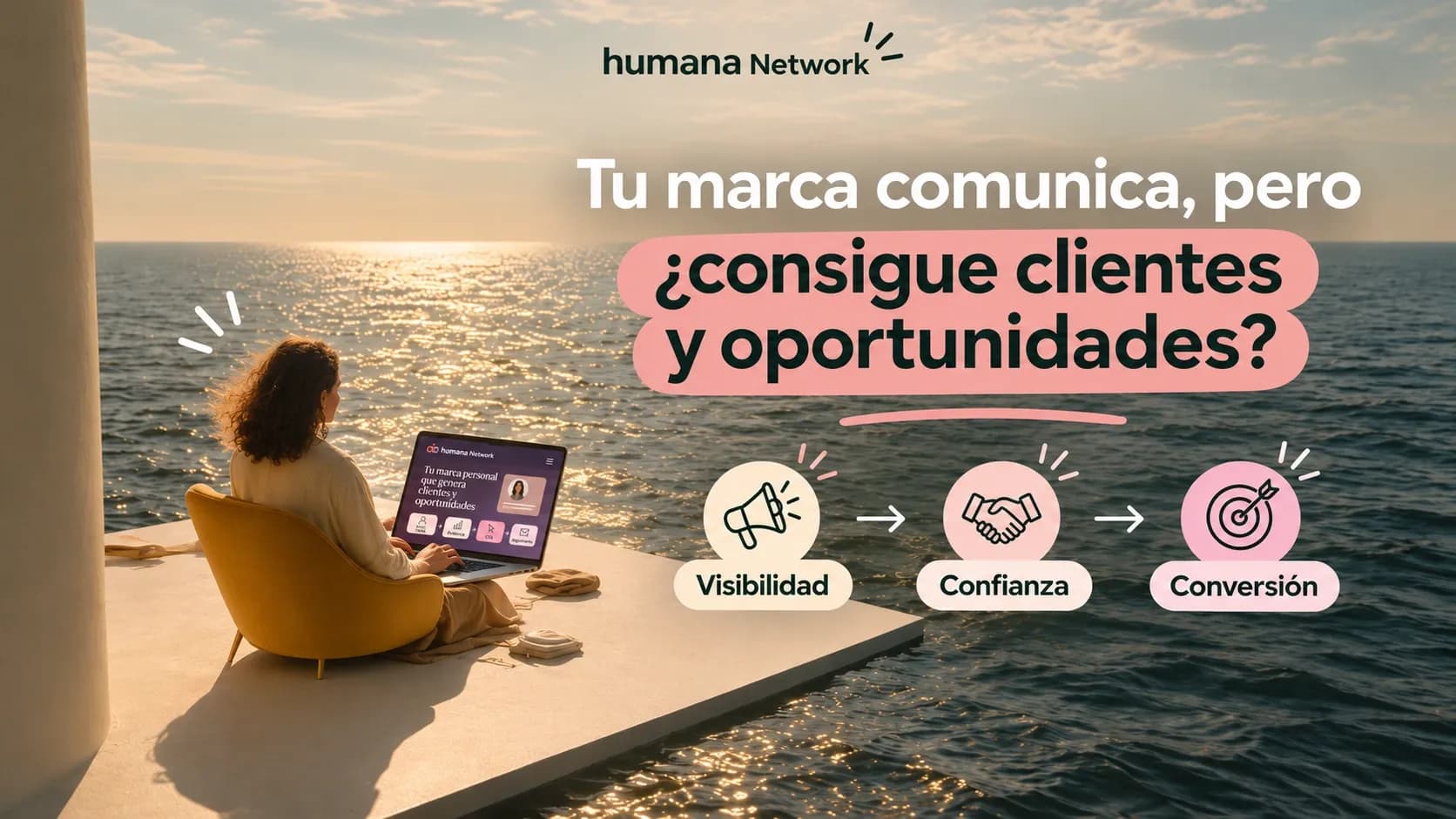 Marketing y Ventas
Does Your Personal Brand Attract Clients and Business Opportunities?
Your personal brand should do more than attract followers. Audit your LinkedIn profile, connect content to your offer, and measure real business opportunities.
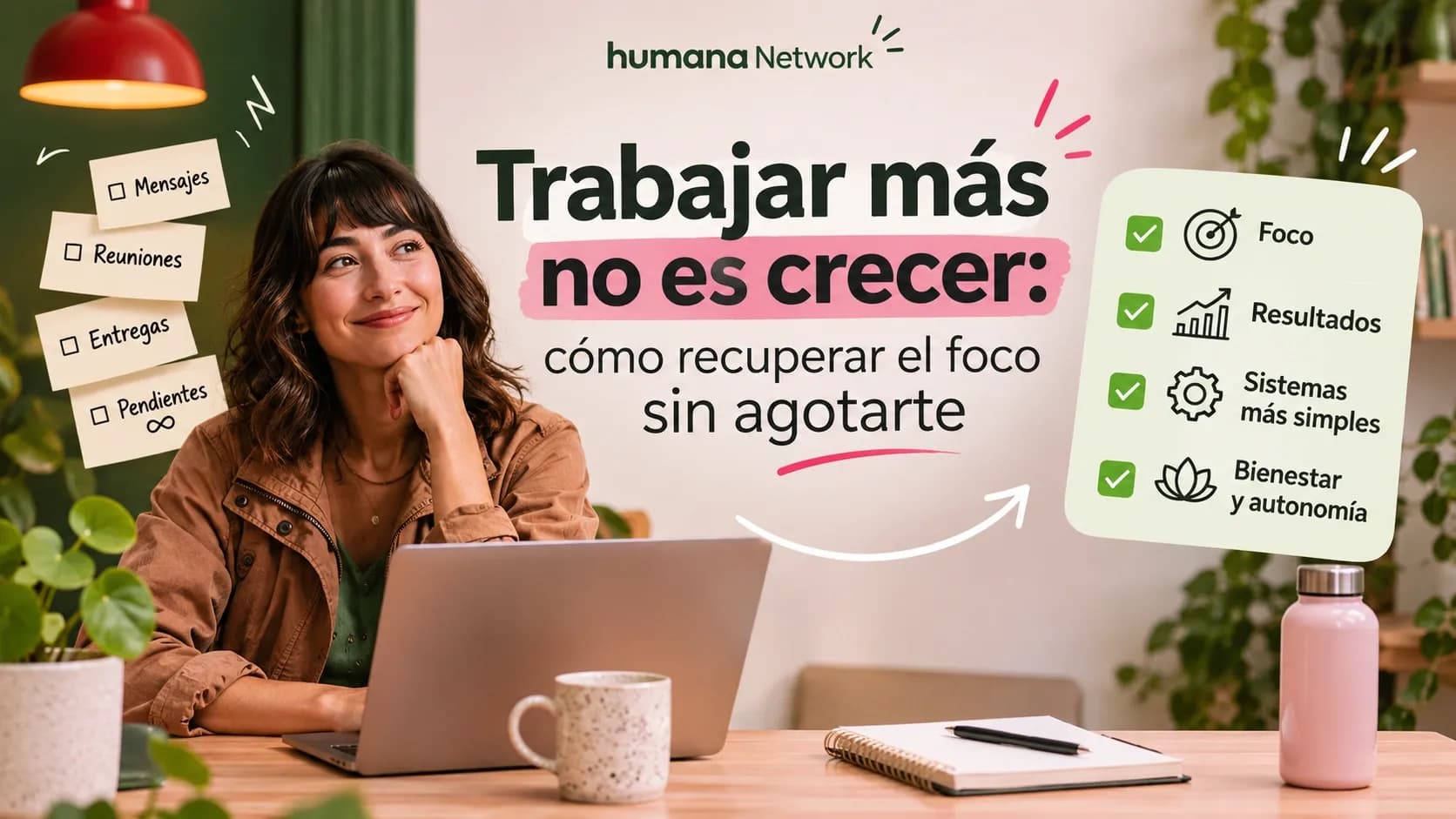 Bienestar y Vida Emprendedora
Working More Is Not Growth: How to Regain Focus Without Burning Out
Being busy isn't the same as growing. Learn how to regain focus, reduce repetitive tasks, and build a business without working longer hours.
